How to Find Low-Competition App Store Keywords
Discover lower-competition App Store keywords that still carry useful intent and can create faster early ranking wins.
Posted by
 Ethan Carter
Related reading
FILMHWA ASO Analysis: App Store Positioning, Competitors, Keywords, and Growth Opportunities
A detailed ASO analysis of FILMHWA covering App Store positioning, keyword opportunities, competitors, product advantages, and conversion improvements.
AutoSleep ASO Analysis: Positioning, Competitors, Keywords, and App Store Growth Opportunities
An in-depth ASO analysis of AutoSleep covering App Store positioning, keyword opportunities, competitors, product strengths, and conversion improvements.
Procreate Pocket ASO Analysis: Keywords, Competitors, Positioning, and Growth Opportunities
A complete ASO analysis of Procreate Pocket covering App Store positioning, keyword opportunities, competitors, product strengths, and conversion improvements.
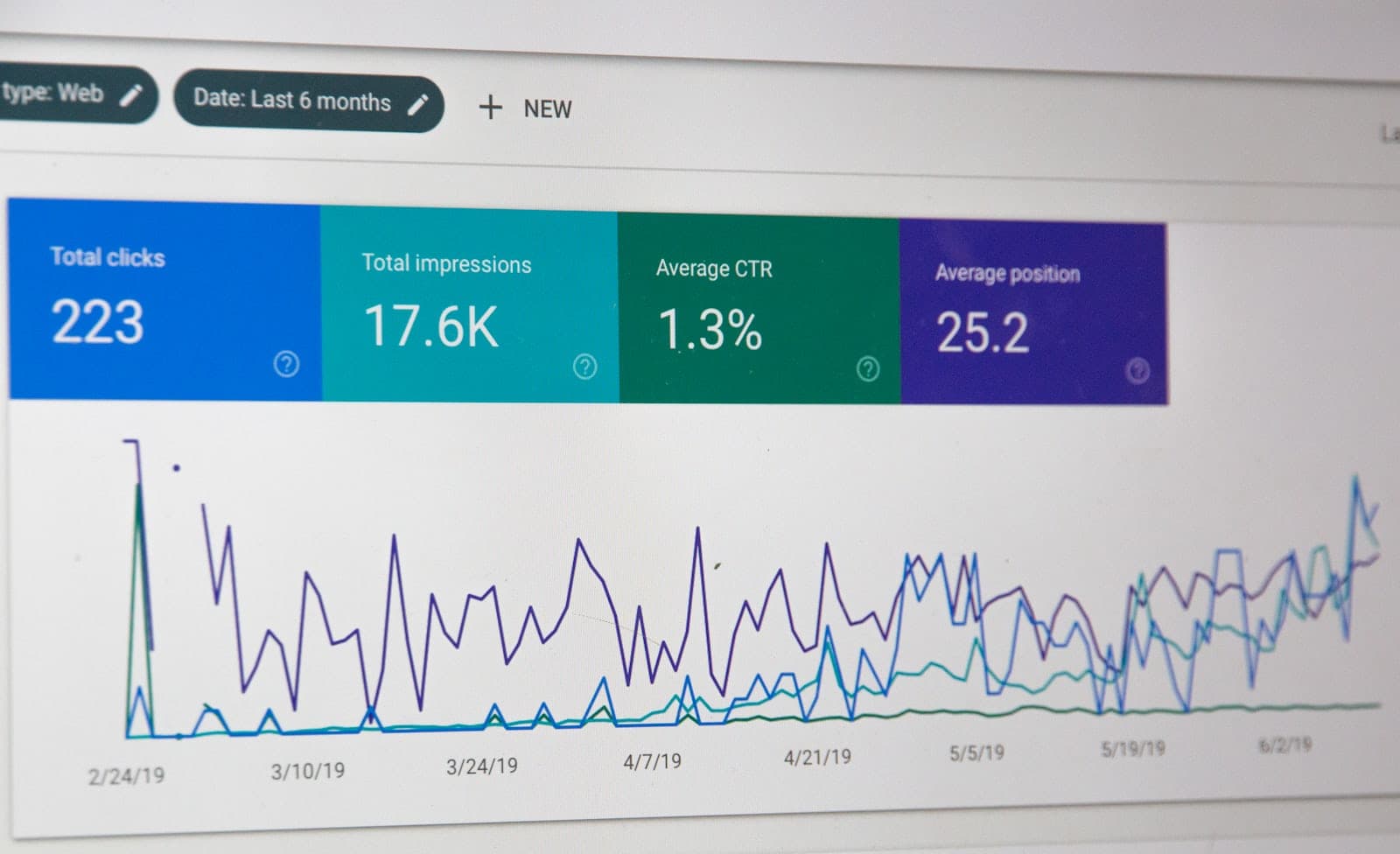
Broad keywords are not always the best starting point
High-volume category terms look attractive, but they are often crowded and difficult to win. Lower-competition keywords can create faster traction when they still reflect real intent and align with a focused use case.
Look for specific problems and qualifiers
Terms become more winnable when they include use-case detail, audience qualifiers, or narrower outcomes. That does not always mean tiny volume. It often means more specific demand with less generic competition.
Use gap analysis, not guesswork
Competitor keyword gaps are one of the clearest places to find these opportunities. If relevant terms are weakly represented in top listings, you may have a realistic opening to move faster.
Low-competition App Store keywords often appear where demand is real but category language is still inconsistent. That makes them ideal targets for smaller apps or newer listings that need traction before expanding into broader search terms.
How to qualify a low-competition keyword
- The term clearly matches your product use case
- Top listings are not tightly optimized around it
- Users searching it are likely to install if the fit is clear
- The phrase can be supported naturally in title, subtitle, or screenshots
Why these terms matter for SEO momentum
Smaller wins often build the data and confidence needed to compete for larger terms later. Long-tail keyword strategy is powerful because it creates early visibility where your app can actually win, rather than fighting for crowded category language too early.